



Hey there, fellow parents and baby gear enthusiasts! As a baby romper supplier, I've heard this question time and time again: "Do baby rompers shrink after washing?" It's a valid concern, considering how quickly babies grow and how much we rely on these adorable outfits to keep our little ones comfortable. In this blog post, I'm gonna dive deep into this topic, sharing some insights and tips to help you keep those baby rompers in tip-top shape.
Let's start by talking about why baby rompers might shrink in the first place. The main culprit is usually the fabric. Different fabrics behave differently when they come into contact with water, heat, and agitation. For example, natural fibers like cotton and wool tend to shrink more than synthetic materials like polyester and nylon. That's because natural fibers have a looser molecular structure, which allows them to absorb water and expand. When the fabric dries, these fibers can contract, causing the garment to shrink.
Cotton is one of the most popular materials for baby rompers, and for good reason. It's soft, breathable, and hypoallergenic, making it perfect for delicate baby skin. However, it's also prone to shrinking if not cared for properly. If you're using a high-heat setting on your dryer or washing your cotton rompers in hot water, you're increasing the chances of shrinkage. Wool is another natural fiber that can shrink significantly. It's warm and cozy, but it requires special care. Even a small amount of heat or agitation can cause wool fibers to felt together, resulting in a smaller and tighter-fitting romper.
On the other hand, synthetic fibers like polyester and nylon are more resistant to shrinking. They have a more stable molecular structure, which means they're less likely to absorb water and expand. These materials are also often blended with natural fibers to create a more durable and shrink-resistant fabric. For example, a romper made from a cotton-polyester blend will be less likely to shrink than one made from 100% cotton.
Now that we know why baby rompers might shrink, let's talk about how to prevent it. The first step is to read the care label. This might seem like a no-brainer, but you'd be surprised how many people skip this important step. The care label will tell you the recommended washing and drying instructions for your baby romper. It might say something like "machine wash cold, tumble dry low" or "hand wash only, lay flat to dry." Following these instructions will help you avoid shrinkage and keep your rompers looking great.

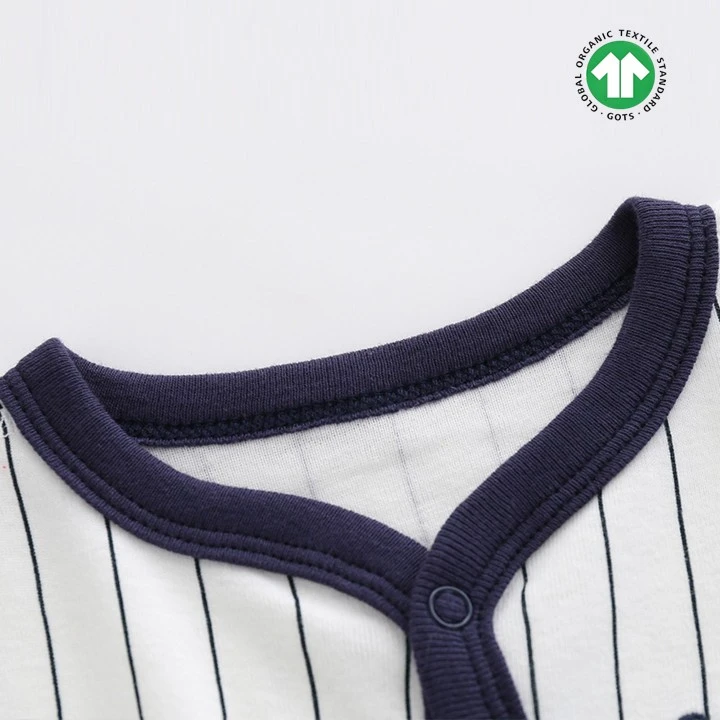
When it comes to washing, it's generally best to use cold water. Hot water can cause the fibers in the fabric to expand and contract, leading to shrinkage. You should also use a gentle cycle on your washing machine to minimize agitation. If you're using a detergent, choose one that's specifically designed for baby clothes. These detergents are usually milder and less likely to irritate your baby's skin.
Drying is another important factor to consider. If possible, air dry your baby rompers. Hanging them up on a clothesline or laying them flat on a drying rack will allow them to dry slowly and naturally, without the risk of shrinkage. If you need to use a dryer, use a low-heat setting. High heat can cause the fabric to shrink and become brittle. You can also remove the rompers from the dryer while they're still slightly damp and let them finish drying on a drying rack.
In addition to following the care label, there are a few other things you can do to prevent shrinkage. One is to avoid overloading your washing machine. If you're cramming too many clothes into the machine, they won't have enough room to move around, which can cause them to rub against each other and shrink. Another tip is to turn your baby rompers inside out before washing. This will help protect the outer layer of the fabric from abrasion and fading.
Now, let's take a look at some of the baby rompers we offer at our store. We have a wide variety of styles and materials to choose from, so you're sure to find something that your little one will love.
First up, we have our Organic Baby Onesies Footed Pajamas. These are made from 100% organic cotton, which means they're soft, breathable, and free from harmful chemicals. They're also designed with a footed design to keep your baby's feet warm and cozy. And because they're made from organic cotton, they're less likely to shrink than regular cotton rompers. Just make sure to follow the care instructions on the label.
Next, we have our Ribbed Zip Footed Baby Pajamas. These are made from a blend of cotton and polyester, which makes them both soft and durable. The ribbed design adds a little extra stretch, so they'll fit your baby comfortably as they grow. The zip front makes it easy to get your baby in and out of the pajamas, and the footed design keeps their feet warm. These pajamas are machine washable and tumble dryable on a low setting, so they're easy to care for.
Finally, we have our Striped Muslin Romper. Muslin is a lightweight and breathable fabric that's perfect for warm weather. It's also very soft and gentle on baby skin. This romper has a classic striped design that's both cute and stylish. It's easy to put on and take off, and it's machine washable. Just make sure to wash it in cold water and air dry it to prevent shrinkage.
In conclusion, while baby rompers can shrink after washing, there are steps you can take to prevent it. By following the care label, using cold water, and air drying your rompers, you can keep them looking great and fitting your baby perfectly. And if you're in the market for some new baby rompers, be sure to check out our selection. We have a wide variety of styles and materials to choose from, so you're sure to find something that your little one will love.
If you're interested in purchasing our baby rompers in bulk for your store or business, we'd love to hear from you. We offer competitive pricing and excellent customer service. Just reach out to us, and we'll be happy to discuss your needs and answer any questions you might have.
References
- Textile Institute. (2019). Handbook of Textile Fibre Structure. Woodhead Publishing.
- American Association of Textile Chemists and Colorists. (2020). AATCC Technical Manual.